A Complete guide to deciding, preparing, learning new skills, and building a sustainable life on the road. Nomad life is no longer a fringe idea. Families are choosing this lifestyle because the world has changed. Jobs are going to other countries, and housing costs are higher than ever. Traditional paths no longer guarantee security, flexibility, or presence with our children. Some families thrive on the road, others burn out quickly and return home discouraged. The difference is not courage; it is clarity, preparation, and systems. This post brings everything together, from the emotional decisions to the practical execution, so how to build it in a way that actually lasts.
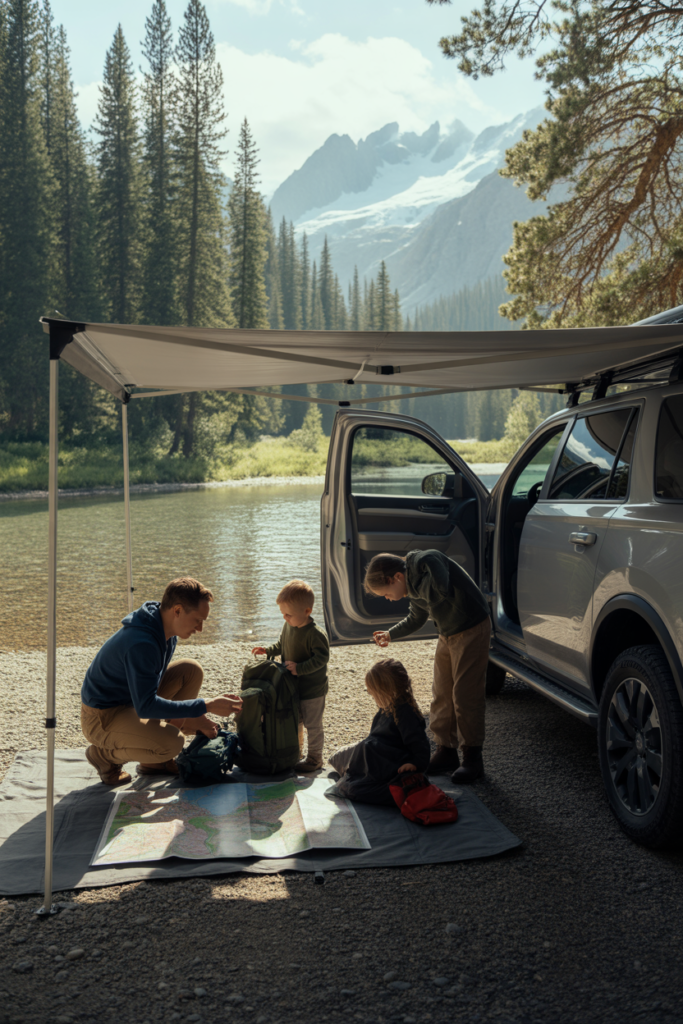
Understanding Why Families Are Even Considering Nomad Life
This is not about escaping-it is about adapting
Many families arrive at this idea during a moment of disruption when:
- Job loss or unstable work happens
- Housing costs are higher than income (inflation)
- Burnout from crazy schedules
- A desire to raise children with a real-world learning
People are not asking, “How do I travel forever?”
They are asking, “How do I survive and still give my family a good life?”
Nomad life becomes an option not because it’s glamorous but because it is flexible, scalable, and adaptable. Before anythihg else, families must understand the truth: This lifestyle is a strategy, not a fantasy.
Deciding If Nomad Life Is Right for Your Family
The Decision comes before the preparation.
This is the most skipped step-and the most important one
Before planning routes, vehicles, or income, families must ask the deeper questions:
- Can we handle uncertainty without panic?
- Do we communicate well under stress?
- Are we willing to learn continuously?
- What happens if our first plan fails?
This is where many families stop, not because the answer is no, but because the questions feel uncomfortable.
Your Skills A Reality Check
Nomad life requires income. Income requires skills.
Ask Honestly:
- What skills do we already have?
- Are we open to learning new ones?
- Do we learn best slowly, visually, independently, or with structure?
- Can one person support the income while the other learns?
This is not about being tech-savvy or entrepreneurial. Many families succeed through:
- Writing, editing, or documentation
- Virtual assistance or customer support
- Teaching, tutoring, or creating resources
- Selling templates, planners, or guides
- Service-based digital work
The deciding factor is not talent-it is a willingness to learn and practice consistently
Preparing for Nomad Life Without Chaos
Preparation removes fear, not freedom. Families often fear that preparation. In reality, preparation creates safety, especially for children. Emotional preparation creates routines for children; stable routines matter more than stable locations
Stable Routines
- Morning rhythms
- Learning time
- Family time
- Evening wind-down time
When these routines stay consistent, kids adapt quickly, even joyfully.
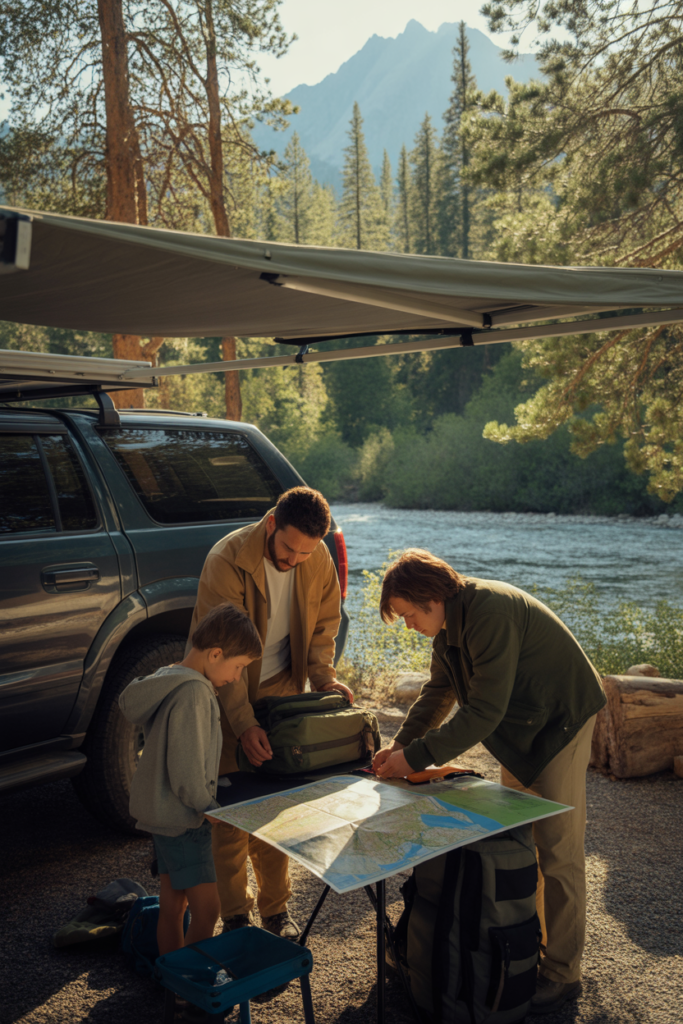
Learning New Skills While Supporting a Family
This is where reality meets responsibility. One of the biggest fears families have is “What if I can’t learn fast enough to make money”? This fear is valid and solvable.
The Learning Runway
Families need time to learn without pressure. That requires:
- Reduced monthly expenses
- Emergency savings
- A clear learning focus (not ten ideas at once)
Focus Over Passion
Early income does not need to be exciting. It needs to be:
- Repeatable
- Reliable
- Scalable
- Repeatable
Once stability exists, creativity can expand.
Why Motivation Alone Is Not Enough
This is where most nomads’ lives fail. Motivation starts journeys, it does not sustain them.
Motivation fades when:
- Progress feels slow
- Kids are tired
- Weather is bad
- Income fluctuates
This is why families who rely on emotions eventually quit.
Motivation is a spark
Systems are the engine
Systems That Replace Discipline
Where goals become inevitable
Your discipline depends on your mood. Systems do not.
Systems decide in advance:
- When work starts
- When learning progresses
- When rest continues
- When movement begins
This removes decision fatigue and emotional interference.
Systems Makes That Goal Operational
- Weekly progress reviews
- Income activities prioritized over distractions
- Learning schedules that assume slow growth
When systems exist, bad days do not derail progress.
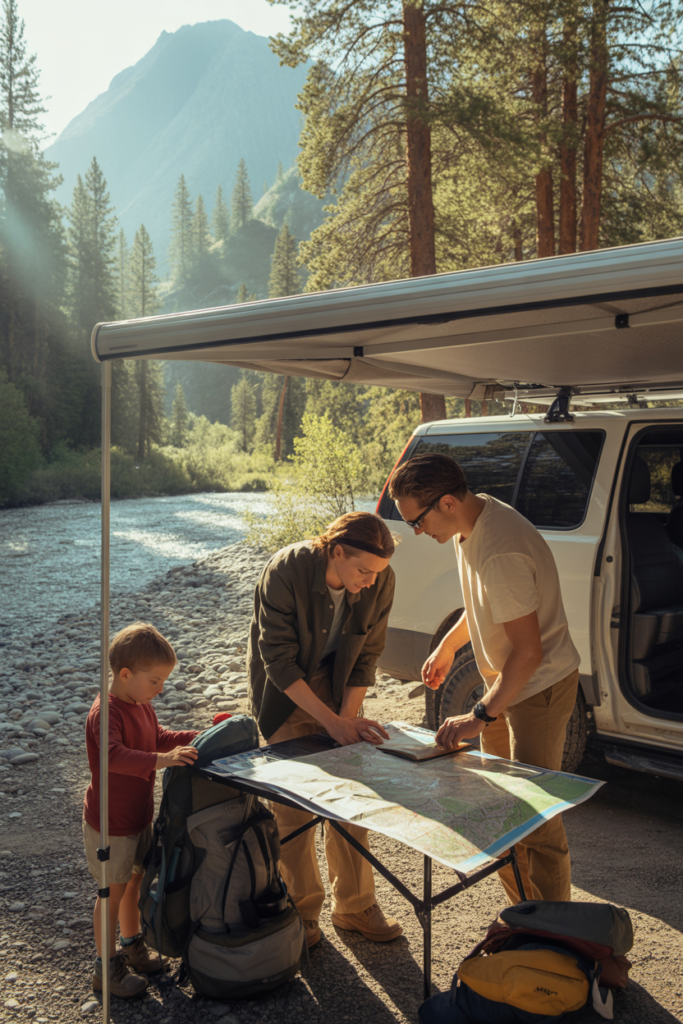
Designing a Life That Is Sustainable on the Road
Sustained nomadic life is not improvised-it is designed
Design includes:
- Time Structure
- Space organization
- Family roles
- Predictable routines
This design allows:
- Kids to feel safe
- Adults to stay focused
- Income to grow steadily
- Travel to feel calm instead of chaotic
The Role of Time and Patience
Systems do not create instant results; they create inevitable results.
Small actions compound:
- Daily work builds income
- Weekly learning builds skills
- Consistent routines reduce conflict
This is how nomadic life becomes not just survivable but expandable.
What Success Actually Looks Like
Success is not constant movement or perfect days
Success looks like:
- Calm mornings
- Focused work
- Curious kids
- Predictable income
- Space to learn, adjust, and grow
Families who succeed are not lucky; they are intentional.