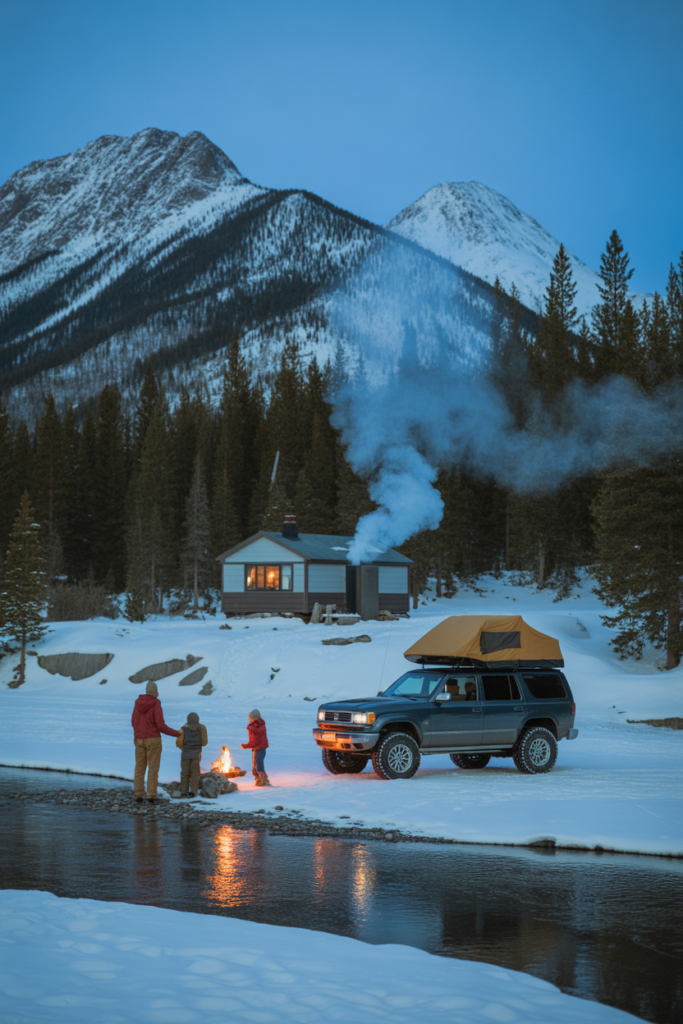
A First guide to downsizing, preparing kids, and switching into full-time travel without chaos.
Switching from a stationary life to life on the road is not about “giving everything up.” It is about intentionally changing how your family lives, learns, and experiences the world together.
For many families, the fear is not travel itself. The fear is disruption:
- Disrupting routines
- Disrupting children’s sense of safety
- Disrupting income, education, and family rhythms
The truth is this: chaos is not caused by travel. Chaos is caused by unplanned transitions.
This guide walks you through three distinct phases of change- each solving a different problem- so the shift feels grounded, exciting, and sustainable for both parents and kids.
Downsizing Without Regret
What changes here: Your relationship with stuff-not your sense of home.
Downsizing is often framed as a loss. In reality, it is the first confidence-building up toward freedom. This change is not about minimalism for minimalism’s sake. It is about removing stuff from daily life.
The Real Problem Downsizing Solves
Families fear regret because they downsize emotionally, not strategically. When you treat everything equally, decision fatigue takes over, and guilt follows
How to Downsize With Clarity (Not Emotion)
Instead of asking, “Should we keep this?” ask:
- Does this support how we want to live next?
- Does this serve our kids’ learning, comfort, or creativity?
- Would replacing this later cause real hardship, or just inconvenience?
A Family-Centered Downsizing Method
Create Four Clear Categories:
- Daily Use-Items used weekly by parents or kids
- Sentimental Items- things that absolutely can not be replaced
- Replaceable-Items that can be bought anywhere
- Let Go- Items that no longer match your future lifestyle
Kids should be involved in this decision, not forced. Let them choose:
- One Comfort Item
- One Memory Piece
- One Creative or Learning Item
This helps emotional security while teaching decision-making skills
What This Change Feels Like
Instead of stress, families often say:
- Faster Mornings
- Less Cleaning
- Fewer Arguements
- More Time Together.
Downsizing creates mental space before physical movement ever begins
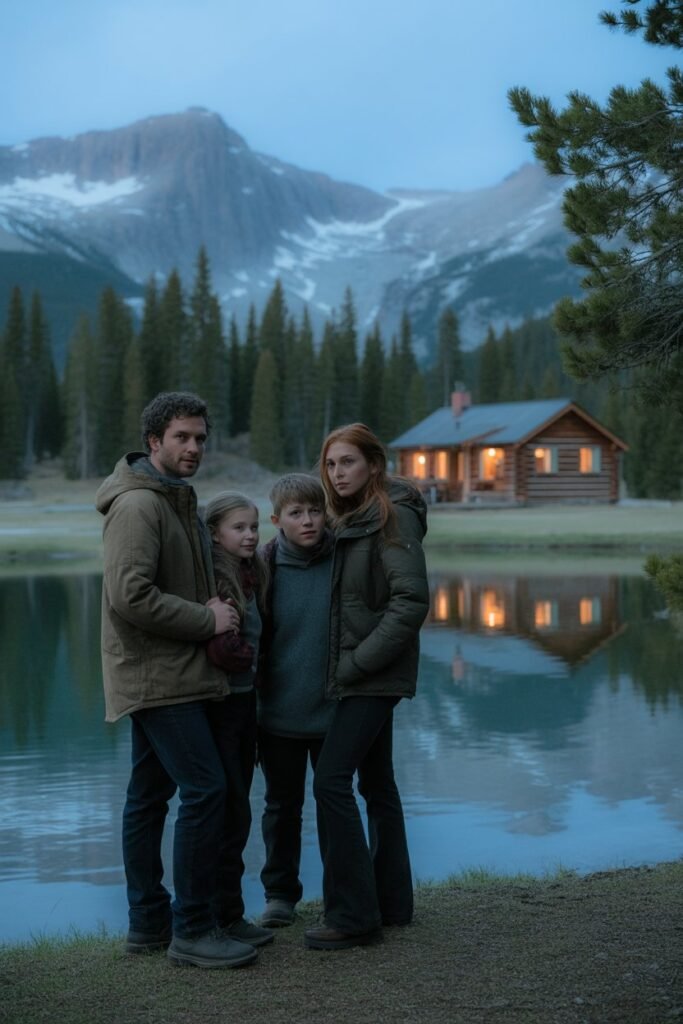
Preparing the Kids for Constant Change
What Changes here: Predictability replaces permanence
Children do not need sameness. They need Consistency
Life on the road introduces new places, but it should not introduce uncertainty around:
- Who is in charge
- What the day looks like
- Where safety comes from
The Real Problem This Change Solves
Kids struggle not because of movement, but because adults forget to change routines when locations change
How To Create Stability Anywhere
Keep these three changes consistent:
- Morning rhythm: Wake up, hygiene, eat breakfast, school time
- Family check- in: Daily chat with the kids, reflect, and ask questions
- Evening wind down: Reading, journaling, quiet time
The Location can change. The rhythm stays the same.
Helping Kids Emotionally Process the Transition
Share with the kids what they are experiencing:
- Ask your kids what felt new today?
- What felt familiar?
- What did you Learn about Nature or people today?
Education as Exploration
Road life is not a pause in learning-it is a living classroom:
- Geography becomes more visible
- History becomes more tangible
- Science is explored outdoors
Children who feel included in the why behind the journey adapt faster and thrive deeper:
What This Change Feels Like
Instead of anxiety, kids feel:
- Curious
- Empowered
- Secure
Change becomes normal, not threatening.
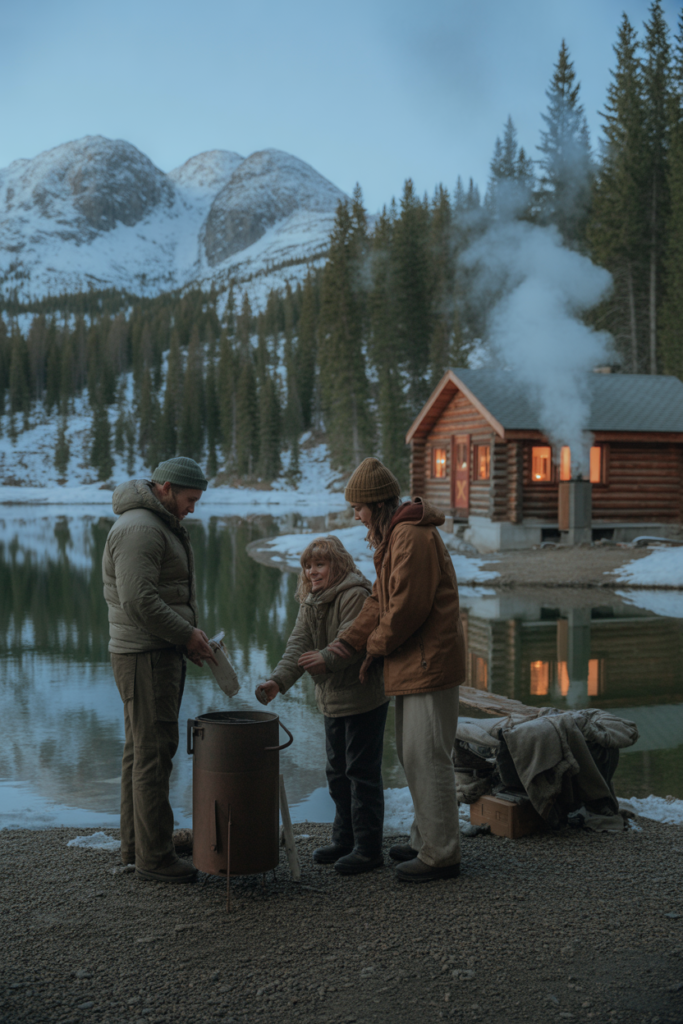
Switching Into Full-Time Safely
What changes here: Intentional learning replaces impulsive commitment
The biggest mistake families make is going “all in” emotionally before testing the logistics. This change removes risk by layering changes gradually.
The Real Problem This Change Solves
Burnout happens when families:
- Quit everything at once
- Travel without having systems in place
- Expect perfection to immediately happen
A Safe, Strategic Change-In Model
Extended Stays
- Weekend trips
- One-week Vacations
- Change your sleep, meals, work, and learning
Partial Mobility
- One Parent working remotely
- Short relocation changes
- Testing income systems
Full Transition
- Have your emergency funds in place
- Medical, schooling, and work routines in place
Safety Is Not Just Physical
Safety also includes:
- Emotions
- Predictable expectations
- Your Finances
When these are planned, confidence replaces fear.