A grounded guide for families facing change, uncertainty, and rising costs-and searching for a better way forward and a better or sustained life. Right now, families across the world are being forced to ask hard questions they never planned to ask:
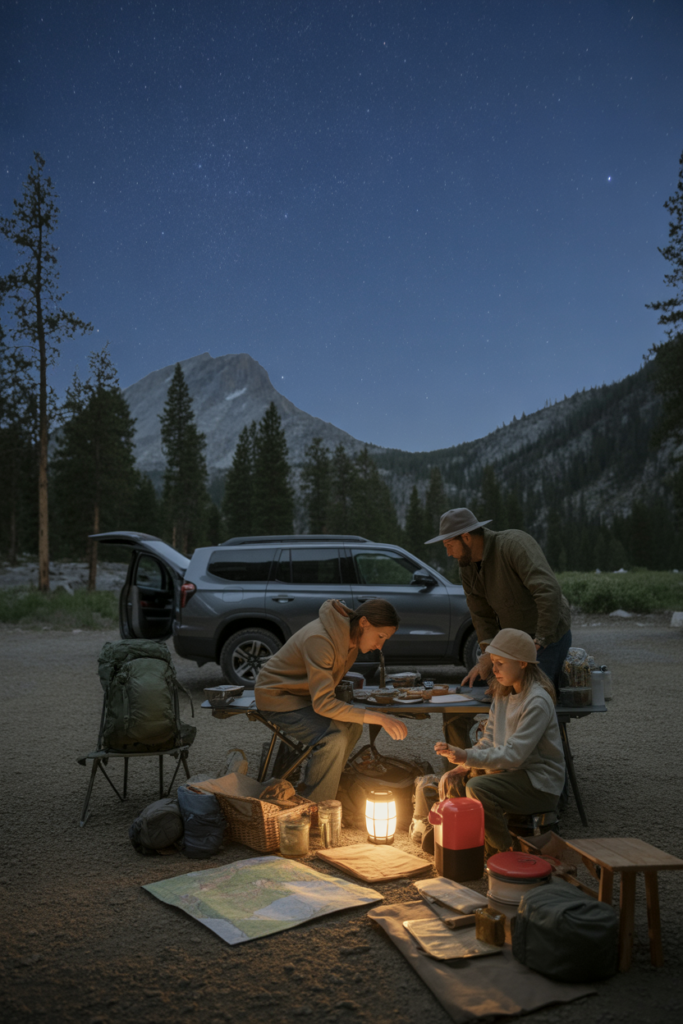
Jobs are disappearing overnight, and Housing costs are climbing faster than wages. Mortgages, rent, and groceries are stretching families past their limits. And quietly, without headlines or applause, many families are choosing a different path. They are living out of cars, SUVs, camper vans, and small rigs, not because it is trendy, but because it is practical, survivable, and sometimes the only option left.
This article is not about convincing you to become a nomad. It is about helping you decide-honestly and responsibly-whether this lifestyle fits your family, your skills, and your capacity for change.

Questions Families Often Ignore
What changes here: Reality replaces hope-only planning
When families first consider nomad life, they often focus on the dream:
- Freedom
- Travel
- Time together
- Lower expenses
What gets ignored are the backup plans-the questions that protect families when life does not go as expected.
The Question Most Families Avoid
What happens if Plan A Fails?
- If income stops
- If remote work falls through
- If learning a new skill takes longer than expected
Nomad life magnifies both flexibility and fragility. Families who succeed are not fearless; they are prepared.
The Skill Inventory Conversation
Before deciding anything, families need to sit down and ask:
- What skills do we already have?
- What skills can we realistically learn?
- Do we struggle with learning new systems or technology?
- Can one adult carry the income temporarily if the other is learning?
Skills do not need to be flashy to be valuable. Many families survive and thrive using:
- Writing, editing, or proofreading
- Virtual assistance or admin support
- Teaching, tutoring, or creating educational resources
- Selling templates, planners, or guides
- Customer support or community moderation
The key is not passion-it is reliability.
Why Families Wait Too Long
Search behavior shows families often delay because they are searching for:
- “What if we fail?”
- “What if this ruins our kids’ stability?”
- “What if we can’t make money fast enough”?
Waiting feels safe, but waiting without planning increases risk. Preparation reduces fear far more effectively than hesitation ever will.
Emotional and Financial Readiness
What changes here: Excitement is balanced with endurance
Nomad life is not just a logistical shift; it is an emotional one. Families who thrive prepare for discomfort without crisis.
Emotional Readiness: Can You Adapt Together?
Ask honestly:
- How do we handle stress as a family?
- Do we communicate or shut down?
- Can we tolerate uncertainty without panic?
Kids take emotional cues from adults. Calm planning teaches children that change is navigable, not dangerous.
Establishing emotional readiness includes:
- Clear Family roles
- Predictable routines
- Open Conversations about fears and expectations
This is not about pretending everything is easy. It is about showing children how adults adapt responsibly.
Financial Readiness: Buying Time to Learn
Most families underestimate how long learning takes.
A realistic preparation includes:
- 3-6 months of basic expenses saved
- Reduced monthly overhead (storage, subscriptions, debt)
- A learning path that does not require immediate profit
Families often fail not because they lack talent, but because they run out of time.
Supporting the Life You Want
The goal is not survival, it is sustainability
Ask:
- Can this lifestyle support our children emotionally?
- Can it support learning, rest, and connection?
- Can it grow into something stable, not just temporary?
Nomad life should feel like a strategic choice, not a last resort.

How to Know You’ll Actually Do It-Before Committing
What changes here: Testing replaces pressure
You do not decide this lifestyle in one moment. You prove it through small, intentional experiments.
Try Before You Commit
Families who succeed often:
- Live out of their vehicle on the weekends
- Take extended road trips
- Practice working remotely while traveling
- Test schooling routines on the road
These test runs reveal:
- Energy levels
- Learning curves
- Financial stress points
Confidence comes from experience, not motivation.
Learn The Skills Ahead of Time
If your income depends on learning something new, start before you leave.
Focus on:
- One primary income skill
- One backup option
- One-low priced product or service
Learning while you are settled down, stable, and resourced removes panic later.
Why People Delay (and What Searches Reveal)
Common searches include:
- “How do families make money living in a SUV?”
- “Is nomad life safe with kids?”
- “Can beginners really make money online?”
These searches reflect fear, not inability. Most families are not incapable. They are simply unprepared.
Preparation turns possibility into reality.