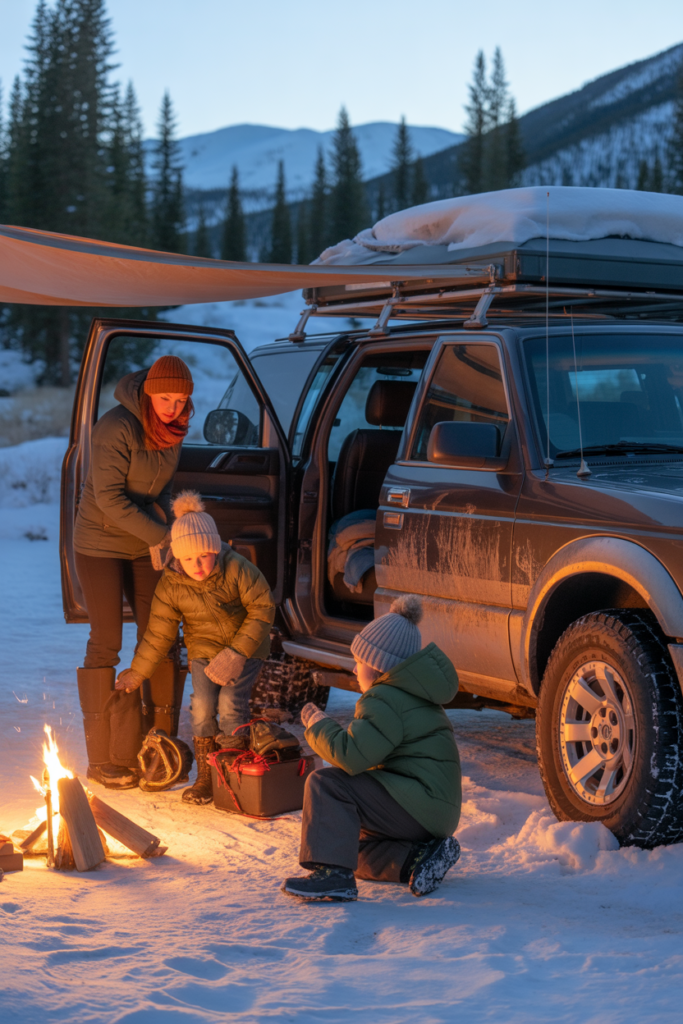
When people hear “nomad life with kids”, they usually picture freedom, scenic backdrops, smiling children, and a life untethered from routines. That picture is not only wrong, but it is wildly incomplete.
What no one tells you is that family travel is not just a change of location. It is a complete redefinition of how your family functions, how decisions get made, how stress shows up, and how joy is created.
When I started, I thought preparation meant gear, routes, and income plans. What I didn’t realize is that the real work happens in the family system. The good news? Once you understand that, the nomadic life becomes less overwhelming and far more fun.
This post walks through the things I wish someone had explained before I began.
Common Misconceptions About Full-Time Travel
One of the fastest ways families burn out is by starting with the wrong assumptions. These misconceptions are everywhere online, and they quietly sabotage new nomad families before they find their rhythm.
Misconception #1: Life Will Feel Like a Permanent Vacation
Travel days are workdays. Weather changes plans. Kids still get tired, hungry, bored, and emotional-sometimes all at once. The mistake is expecting constant excitement instead of building sustainable routines.
Once I stopped trying to make every day feel “special”, things became lighter. Ordinary days-simple meals, quiet mornings, familiar activities- are what actually make the adventure last.
Misconception #2: Kids Automatically Love Constant Change
Some kids thrive on novelty. Others need predictability. Most need both. Constant movement without anchors can lead to an emotional overload.
What helped us was creating portable consistency:
- Same Morning rhythm, regardless of location
- Familiar snacks, books, and games
- Predictable rest days after travel days
The Destination changed. The structure didn’t.
Misconception #3: You Have To See Everything
Trying to “do it all” is a fast track to exhaustion. I Learned that staying longer in fewer places created deeper memories and calmer days.
Slower travel:
- Reduces decision fatigue
- Allows kids to feel grounded
- Makes Logistics easier
Ironically, slowing down gave me more joy , not less
Misconception #4: Minimalism Solves Everything
Owning less helps, but it does not solve emotional or logistical challenges. Families need tools, comfort items, and systems that work for them, not against them.
The goal isn’t owning nothing. It’s owning what supports your family’s daily life.
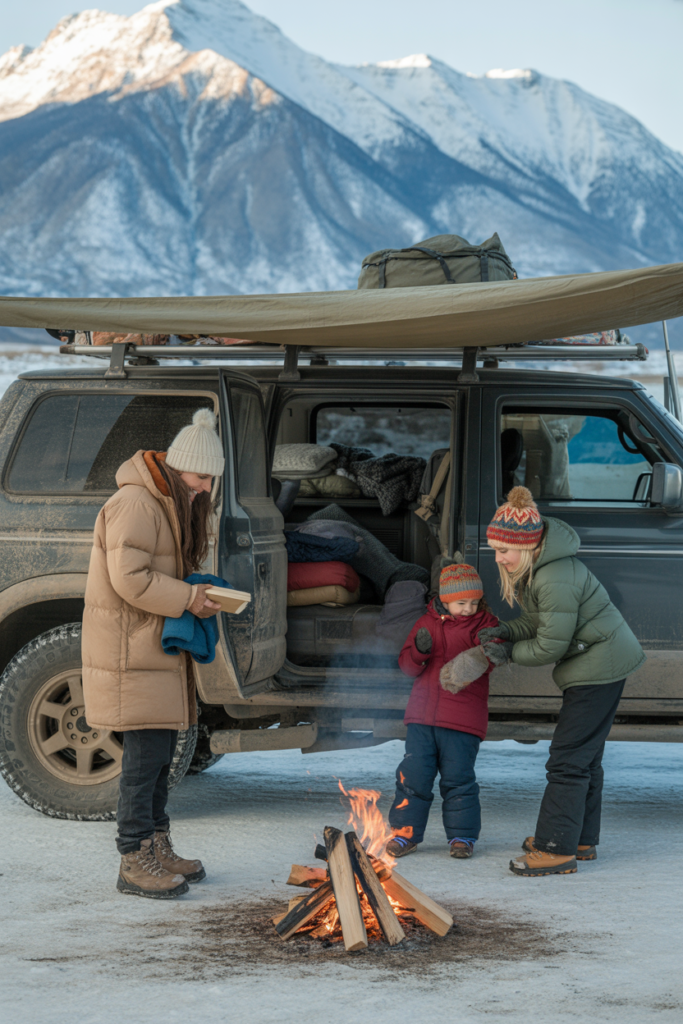
How to Avoid Early Overwhelm
The Beginning is where most families struggle, not because they’re doing it wrong, but because they are trying to change to much at once.
Start With Fewer Variables
In The Early days, we simplified aggressively:
- Shorter travel distances
- Familiar environments
- Easy access locations
Reducing variables allowed me to learn how we travel as a family before layering in complexity.
Build Recovery Time Into Your Plans
Travel with kids requires recovery. We started intentionally scheduling:
- No-drive days after long trips
- “Nothing planned” afternoons
- Buffer days before commitments
This Single shift prevented meltdowns-ours included.
Separate “Travel Days” From “Living Days”
One of the biggest mindset changes was realizing that travel days are not living days.
On Travel days:
- Expectations are low
- Productivity is optional
- Comfort is prioritized
Living days are where routines, work, learning, and play happen.
Let Go of Other People’s Pace
Comparison is brutal in this lifestyle. Some families move fast. Others stay put for months. Neither is right nor wrong.
What matters is your family’s capacity.
Once I stopped measuring our progress against others, the stress dropped immediately, and the fun increased.
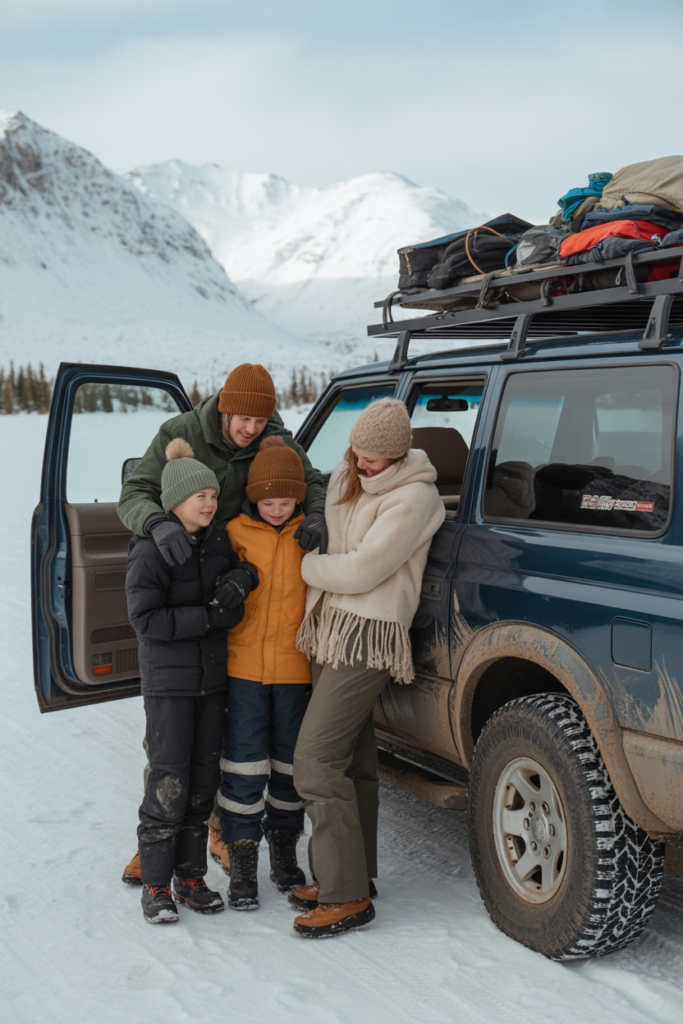
Key Decisions to Prevent Burnout
Burnout doesn’t come from travel itself. It comes from misaligned decisions made repeatedly over time.
Decision #1: Choose Comfort Over Aesthetics
Beautiful setups look great online. But comfort keeps families going.
We Learned to prioritize:
- Warmth over views
- Easy access over isolation
- Functional layouts over perfect photos
When kids are comfortable, everything else works better.
Decision #2: Design the SUV for Daily Life, Not Occasional Trips
Your Vehicle isn’t just transportation- it is your kitchen, classroom, living room, and safe space.
Our biggest wins came when we:
- Created kid-specific places
- Stored essentials within arm’s reach
- Planned for bad weather days
A well-designed SUV setup reduces friction every single day.
Decision #3: Protect Energy, Not Just Time
We stopped asking, “Do we have time for this?”
We started asking, “Do we have energy for this?”
That shift changed everything.
Burnout prevention is about:
- Saying no earlier
- Choosing easier options
- Resting before exhaustion hits
Decision #4: Make Learning Part of Life, Not a Separate Task
Kids learn constantly on the road, geographically, problem-solving, flexibility, and communication.
When we stopped trying to recreate school and instead leaned into the real- world learning, stress disappeared, and curiosity exploded.
What I Didn’t Expect-And What Made it Fun
I didn’t expect how deeply connected we would become.
Shared challenges-weather changes, tight spaces, unexpected detours, created inside jokes, confidence, and resilience. The kids became adaptable. I became calmer. We learned to laugh when plans fell apart.
Some days were hard. Many were magical. Most were simply real.
The fun came not from constant excitement, but from freedom:
- Freedom to adjust
- Freedom to rest
- Freedom to build a life that fits
This is what no one tells you. The Nomad Life with kids isn’t about escaping life-it’s about designing one intentionally