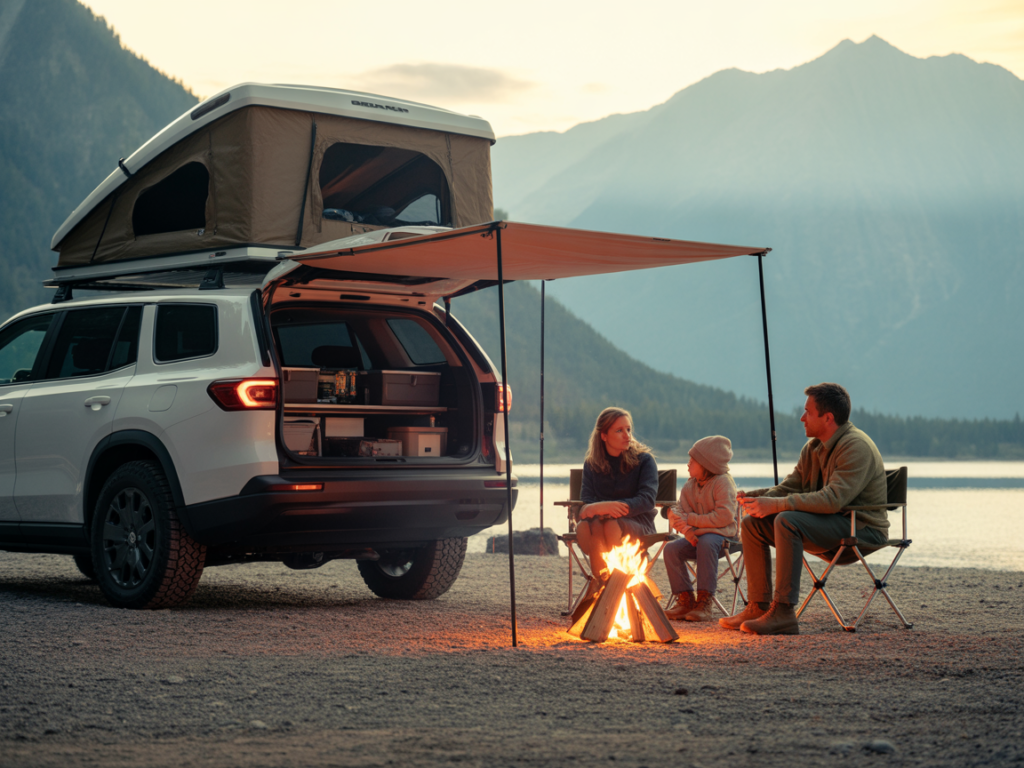
My family, an avid group of nature enthusiasts, has turned their annual camping trip into a seamless adventure, thanks to a meticulous system they developed over the years. This system not only simplifies the trip planning process but also ensures that every family member enjoys the journey without unnecessary stress.
My Family Camping System:
1. Preparation and Planning:
- Master Checklist: The family’s camping success starts with a digital master checklist maintained in a shared document, accessible by all family members. This list includes essential items like tents, sleeping bags, first aid kits, food supplies, and personal items. Each year, they update the document based on the previous year’s experiences and inventory.
- Roles and Responsibilities: Each member of the family is assigned specific roles. For example, My Son handles food prep, ensuring there are enough meals planned with easy recipes suitable for camping. Dad, on the other hand, is in charge of gear maintenance and vehicle readiness.
- Destination Rotation: The family keeps a list of preferred camping destinations, rotating each year between several favorite spots. This rotation keeps the experiences fresh while still being familiar with each site’s amenities and challenges.
2. Efficient Packing:
- Pre-Packed Bins: My Family stores camping gear in labeled bins that are always ready to go. After each trip, they clean and repack these bins, making departure as simple as loading them into their car.
- Meal Kits: My Son preps DIY meal kits that include all necessary ingredients and seasonings, packed and frozen in advance. This tactic minimizes preparation time at the campsite and reduces the risk of forgetting key ingredients.
3. Travel and Set-Up:
- Timeline Strategy: The family follows a timeline leading up to departure day. Packing is completed the day before, while perishable food items are added last, keeping them fresh. Early morning departures maximize campsite choice availability upon arrival.
- Set-Up Teamwork: Upon reaching their site, my family split into teams. One team pitches the tents, while the other organizes the cooking area. This division of labor allows for an efficient setup, letting them settle in quickly and start enjoying their surroundings.
4. Activities and Relaxation:
- Activity Jar: A jar filled with various pre-written activities ensures that everyone can choose their adventure—be it hiking, fishing, or storytelling by the campfire. This method encourages excitement and participation from all family members.
- Unplugged Time: The family prioritizes bonding by leaving digital devices behind, except for emergencies. This helps them engage fully with one another and their natural surroundings.
5. Reflection and Feedback:
- Post-Trip Debrief: After each camping trip, my family sits down over a family dinner to discuss what went well and what could be improved for next time. They make notes for future reference, ensuring that their system evolves with their needs.
By following this structured plan, my family transforms the often chaotic process of camping into a streamlined event, filled with joy and adventure. This method not only lightens the logistical load but also strengthens family bonds in nature’s embrace.
Why Most Camping Stress Happens Before The Trip
Most of the stress associated with camping seems to come before the trip even begins. It’s during the planning phase that decisions need to be made, and items invariably get forgotten. Here’s why this happens and how we can prevent these mishaps:
Why Pre-Trip Stress Happens:
1. Overwhelming To-Do Lists: The pressure of organizing a camping trip can be daunting. When faced with a long list of tasks—packing clothes, gathering gear, planning meals—it’s easy to feel overwhelmed. This can lead to forgotten items and last-minute scrambles.
2. Lack of Organization: Without a structured plan or checklist, it’s challenging to remember every essential item. Important supplies can easily slip through the cracks when there’s no system in place to keep track of everything.
3. Procrastination: Putting off planning until the last minute means decisions have to be made quickly and under pressure. This increases the likelihood of errors and omissions, turning the excitement of the adventure into a stressful rush.
How to Prevent Forgotten Items and Last-Minute Decisions:
1. Create a Master Checklist: Develop a comprehensive checklist that includes everything you need for your trip. Update it with each camping experience to ensure it remains relevant and complete. This eliminates the guesswork and ensures you don’t miss any critical items.
2. Assign Roles and Prepare Early: Delegate tasks among family or group members. Assign responsibilities like packing specific gear or preparing meals, allowing everyone to contribute to pre-trip preparations. Start packing early, allocating time over a few days to avoid last-minute stress.
3. Use Pre-Packed Bins: Organize your camping gear into bins that are always packed and ready to go. After each trip, replenish and clean items as needed, and store them in these bins for easy access next time.
4. Plan Meals Ahead: Prepare and freeze meal kits before your departure. Having meals prepped in advance reduces the burden of planning and ensures you have everything you need for delicious campfire cooking.
5. Schedule Time for Packing and Final Checks: Set aside specific days for packing and conducting final checks. This prevents the rush that often leads to forgotten items and allows time for any last-minute additions.
Planning Systems vs One Time Packing List
- Planning System vs. One-Time Packing List
- Planning System:
- A comprehensive list that covers all potential needs for any trip.
- Categorized by major areas such as shelter, clothing, food, and emergency supplies.
- Shared Digital Document:
- A living document (like Google Sheets) accessible by everyone in the group.
- Easy to update and modify after each trip based on new experiences and learnings.
- Assigned Roles:
- Specific responsibilities designated to each member, ensuring equal participation.
- Reduces oversight by dividing the larger task into manageable parts.
- Pre-Packed Solutions:
- Use of bins or bags that remain packed with non-perishable and reusable items.
- Regular maintenance checks to ensure everything is in working order.
- Timeline and Scheduling:
- Embedding timelines for each stage of packing and preparation.
- Incorporating deadlines helps mitigate last-minute stress and item forgetting.
- Single Use Document:
- A checklist made specifically for a single trip.
- Often created hurriedly and filled with guesswork based on memory and immediate need.
- Non-Revisable:
- Not designed to evolve or change, often discarded after one-time use.
- Lacks the benefit of cumulative learning from past trips.
- Last-Minute Execution:
- Typically only developed near departure time.
- More prone to lead to missed items and duplicated effort.
- Individual Responsibility:
- Packing responsibility often falls on one person, heightening the chance for oversight.
- No Feedback Loop:
- Offers no inherent mechanism to improve future trips; lacks a learning component for easier, streamlined processes in subsequent outings.
- Why Reusability Matters:
- Efficiency and Time-Saving: Reusability reduces the need to start planning from scratch every time, saving significant time and effort.
- Consistency and Reliability: A reusable system builds consistency, ensuring that crucial items are never forgotten, and every step of the process becomes second nature to everyone involved.
- Improved Experience: Having a refined system means more time enjoying the trip rather than being bogged down by logistical concerns.
- Cumulative Learning: Each trip offers new lessons that can be recorded and utilized for future days out, improving the quality of each subsequent adventure.
- By adopting a planning system rather than a one-time packing strategy, you’re investing in a framework that makes every trip easier, more enjoyable, and less stressful
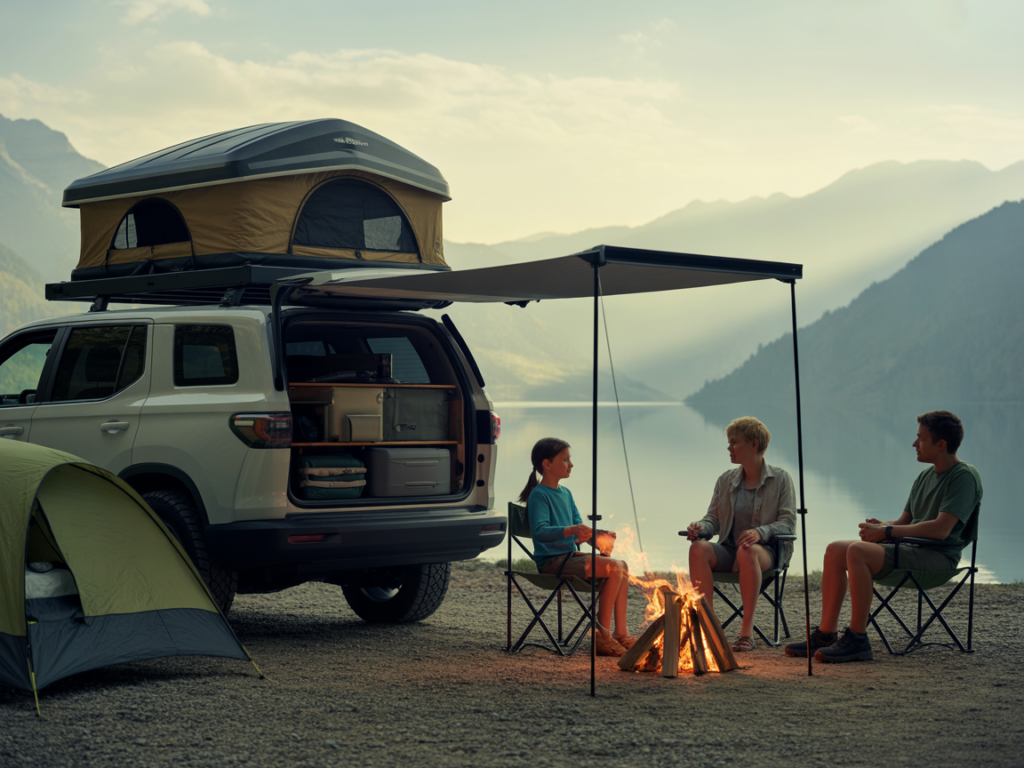
Organizing For SUV, Tent, and Hybrid Camping
Here’s a structured yet flexible system to help you organize your camping gear efficiently, whether you’re camping with an SUV, in a tent, or using a hybrid setup:
1. Pre-Organized Gear Bins:
- Cooking Supplies Bin:
- Portable stove, fuel canisters, lighters/matches
- Cooking utensils, pots and pans
- Biodegradable soap, sponge, dish towels
- Sleeping Gear Bin:
- Sleeping bags, inflatable mattresses/pads
- Pillows, extra blankets
- Tent or tarps for hybrid setups
- Safety and Emergency Bin:
- First aid kit
- Flashlights/headlamps with extra batteries
- Multi-tool or knife, emergency whistle
2. Vehicle-Specific Organization:
- SUV:
- Install organizers or nets in the cargo area to keep items from shifting.
- Use stackable bins/containers that are clear to quickly identify contents.
- Roof racks or hitch-mounted carriers can be utilized for bulky items like tents or folding furniture.
- Tent:
- Pack by zones (e.g., sleeping, cooking, living) to quickly identify where each item will be set up.
- Use color-coded bags to distinguish different categories of items efficiently.
- Hybrid Setup:
- Keep frequently used items easily accessible on top layers or via side doors.
- Integrate folding furniture or portable tables into storage spaces for easy setup.
3. Modular Packing Strategy:
- Quick Grab Essentials:
- Keep a small bag or box with essential personal items (e.g., toiletries, sunscreen, insect repellent) easy to reach from any door.
- Expandable Storage Options:
- Consider collapsible or foldable containers that expand once at the campsite, helping to save space while traveling.
- Customizable Labeling:
- Use labels and tags that are weatherproof, and can be easily swapped or re-labeled, allowing flexibility for different trips.
4. Efficiency and Accessibility Tips:
- Loading Order:
- Load based on campsite setup order; items needed first go in last and are therefore most accessible.
- Distribute weight evenly for easier handling and better vehicle balance.
- Customized Checklists:
- Maintain different checklists for different camping types, like SUV-only or tent-specific, updating them based on previous experiences.
- Post-Trip Re-organization:
- After each trip, clean and repack bins to ensure everything is ready for the next adventure with minimal fuss.
How A Master Checklist Simplifies Every Trip
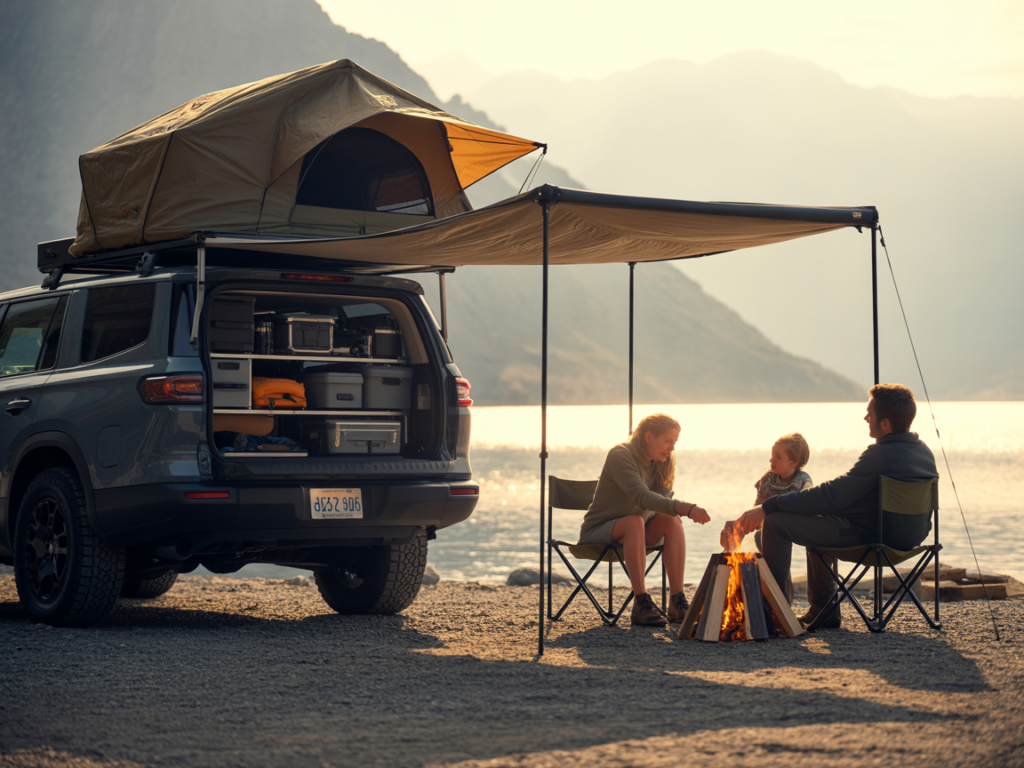
A master checklist acts as a central foundation that simplifies every trip by making sure comprehensive preparation while allowing for numerous variations tailored to specific needs.
Simplifying Each Trip with a Master Checklist:
1. Centralized Organization:
- Comprehensive Coverage: A master checklist includes all potential items and tasks needed for any trip. By having everything listed in one place, it reduces the chances of forgetting essential gear or steps.
- Ease of Access: With a digital format (such as a Google Spreadsheet), it’s easily accessible and can be shared with all trip participants, ensuring everyone can view and contribute to the planning process.
2. Customization and Variability:
- Flexible Segments: The master checklist is divided into key categories like shelter, food, and activities, making it straightforward to adapt sections according to the type of trip
- Selective Application: Anyone can customize each trip by selecting relevant items from the master list. This helps tailor the checklist to different variations in location, duration, and activities involved.
3. Minimizing Stress and Error:
- Consistency: Reusing a reliable set of guidelines decreases pre-trip anxiety by establishing a routine for preparation, packing, and execution.
- Error Reduction: By checking off tasks and items as they’re completed or packed, the checklist serves as a fail-safe against forgetting key components.
4. Continuous Improvement:
- Feedback-Friendly: After each trip, the checklist can be updated with new insights—what was useful, what was missing—improving its utility over time.
- Evolution with Needs: As preferences or requirements change, the master checklist can easily be adjusted to accommodate these changes.